Posts

Showing posts with the label Bulk Chemicals.

The Popularity Of Biolubricants Will Grow In The Near Future As Environmental Awareness Grows

Image
Biolubricants Biolubricants are lubricants that are biodegradable, nontoxic, non-bioaccumulative, and environmentally benign. They are manufactured from vegetable oils or animal fat. In the past, lubricants were produced using oil with a high petroleum content but poor degradability. Additionally, the accumulation of petroleum-based lubricants in bodies of water that harm aquatic life puts the ecosystem in peril. In the car sector, Biolubricants are widely used. The automobile business has been predicted to grow quickly in recent years. Additionally, mineral oil-based lubricants are being used in place of biodegradable lubricants to assure high-caliber performance. Biolubricants , or lubricants made from plant or animal fats, offer attributes like biodegradability, non-toxicity, are not bioaccumulative, and are environmentally benign. Traditional lubricants had a weak ability to degrade because they were made of petroleum-based oil. Furthermore, petroleum-based lubricants destro...

Acetyls Employed In A Variety Of Sectors, Such As The Pharmaceutical, Paint, And Coating Sectors

Image
Acetyls The acyls, also known as Acetyls , are functional groups of organic compounds with the chemical formula CH3CO. These compounds are widely used in the production of neurological drugs due to their exceptional capacity to cross the selectively permeable blood-brain barrier, which enables the drug to quickly reach the brain and have a potent therapeutic effect. This property of acetyls makes them suitable for use in brain stroke patients. Functional groups of organic compounds with the chemical formula CH3CO are Acetyls or acyls. A single bond between a methyl group and a carbonyl exists in the acetyl or acyl group. An acyl compound's carbonyl center has one uncoupled electron that can be used to establish chemical bonds with alkyl groups. The IUPAC designation for acyl is ethanol. It is a component of acetic acid, acetylcholine, acetyl-CoA, acetylcysteine, acetaminophen, and acetylsalicylic acid, and is frequently referred to as the acetyl moiety. Proteins and histones c...

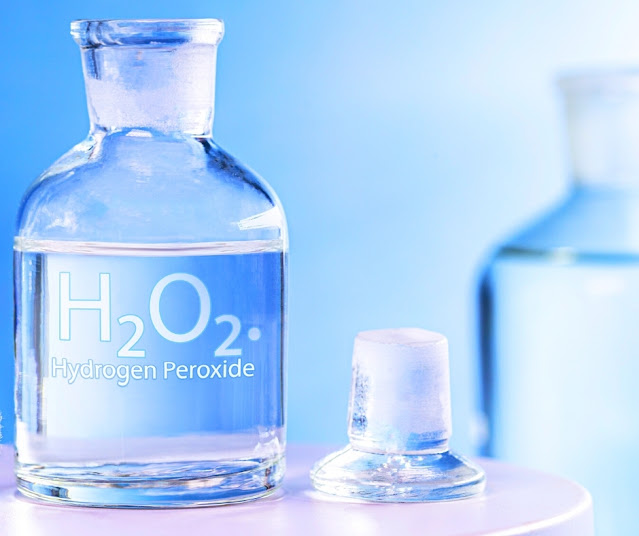
Hydrogen Peroxide Utilized As A Bleaching And Oxidizing Agent In The Paper And Pulp Sector

Image
Hydrogen Peroxide In the presence of a catalyst, Hydrogen Peroxide is known to be an unstable chemical. It is normally kept in a mildly acidic solution with a stabilizer. When oxygen is directly reduced in a two-electron transfer reaction in a mammalian body, hydrogen peroxide can be produced. A mixture of oxygen and hydrogen known as hydrogen peroxide is frequently utilized in a variety of end-use industries. Due to its effective bleaching capabilities, Hydrogen Peroxide is also utilized as a bleaching and oxidizing agent in the paper and pulp sector. Due to its special characteristics, the hydrogen peroxide compound is appropriate for a wide range of applications. Since hydrogen peroxide has antibacterial qualities, the medical field can make extensive use of it. Additionally, hydrogen peroxide is utilized for skin care, including the treatment of small burns and wounds. In its purest form, Hydrogen Peroxide is a chemical substance that is transparent and pale blue in color an...

Diethylene Glycol Is Widely Used As A Humectant In The Production Of Paper And Pulp, Tobacco

Image
Diethylene Glycol The chemical compound Diethylene Glycol , commonly known as DEG, 2,2-oxydiethanol, and glycol ether ether diglycol, has the formula C4H10O3. It is soluble in numerous organic substances as well as in water. Its hygroscopic characteristics make it an advantageous industrial chemical. It is frequently used as a raw material in the plastics sector to make plasticizers for paper, cork, and synthetic sponges. Due to its hygroscopic qualities, it is also utilized in the tobacco business as a humectant in the manufacturing of tobacco. In the natural gas business, it is also used as a dehydrant to remove water from gas pipelines. When ethylene oxide partially hydrolyzes, Diethylene Glycol (DEG) is produced. It is a sweet-tasting, colorless liquid with little volatility. It is soluble in acetone, water, alcohol, and other organic solvents. DEG is a well-liked solvent for printing, oils, resins, paint pigments, and textile dyes. In addition, it is used as a raw ingredient to...

Silicone Fluids Are Desirable Because Of Their High Tensile Resilience, Lower Volatility

Image
Silicone Fluids Products made with Silicone Fluids are incredibly adaptable and are employed in a variety of sectors. They can be utilized in a wide variety of shapes and applications thanks to their special qualities, which include UV stability, glossiness, transparency, radiation resistance, hydrophobicity, heat resistance, durability, dielectricity, adhesion, foam control, discharge safety, and flexibility. For specialized applications or applications needing resilience to extreme weather conditions, silicone fluids are frequently used. Silicone Fluids are highly stable against all types of radiation, especially UV radiation, and can adapt to large temperature changes (from -76°F to 572°F), making them resistant to outdoor exposure. It is also employed in the electrical and electronics industry because of its outstanding electrical resistance. Silicone Fluids can be altered because of its chemical makeup. Long alkyl groups are introduced to the silicone fluids to modify them....

Sludge Treatment Chemicals Are Advantageous In A Variety Of Ways Because They Provide Clean, Reused Water

Image
Sludge Treatment Chemicals A by-product of the wastewater treatment process is sludge. The sludge is made up of a variety of components, including pathogens, organic materials, chemicals, and microbes. In addition, sludge contains dangerous substances including heavy metals that have a negative impact on the ecosystem and seriously impair human health when exposed. Sludge must therefore be treated before being released into the environment. Sludge Treatment Chemicals refer to the substances utilized at various phases of this treatment. Due to the significant sludge generated during manufacturing, industries like food and beverage, personal care, automotive, and paper & pulp are the main consumers of these chemicals. Any typical wastewater treatment facility produces sludge as a byproduct of the wastewater treatment process. Pathogens, chemical components, and other microorganisms are carried by the sludge. To prevent coming into contact with microorganisms, Sludge Treatment Ch...

Maleic Acid Containing Skincare Products Helps To Minimize Adverse Skin Reactions

Image
Maleic Acid  A dicarboxylic acid called Maleic Acid is a common active component in food products. It is a crucial raw ingredient used in the production of agricultural chemicals, surface coatings, plasticizers, unsaturated polyester resins, lubricant additives, and copolymers. L- and D-enantiomers of malic acid are its two stereoisomeric forms, but only the L-isomer occurs naturally. Malates are the names for the salts and esters of malic acid. The citric acid cycle includes the malate anion as an intermediary. It is also known as cis-butanediol acid, and due to its abilities to limit the growth of germs, modify pH levels, and enhance flavor, it is highly favored for use in the food and beverage sectors. Maleic Acid , a dicarboxylic acid chemical component produced by living things, gives fruits their acidic and sour flavor. After being extracted from fruits including cherries, grapes, apples, and watermelons, malic acid is frequently utilized in the food and beverage sector as a...

Polytetrafluoroethylene Create A Strong, Waxy, Non-Flammable Synthetic Resin With A High Crystallization And Melting Point

Image
Polytetrafluoroethylene   A durable, waxy, and non-flammable synthetic resin made of carbon and fluorine atoms is known as Polytetrafluoroethylene (PTFE). It is produced using the free-radical polymerization of hydrochloric acid, fluorspar, and chloroform. PTFE is frequently used to provide surfaces, particularly kitchenware like pans and baking trays, as well as industrial goods, a non-stick coating. It frequently comes in granular, powder, and micronized forms, and it has a number of different physical characteristics, such as resistance to heat, chemicals, fatigue, and ultraviolet (UV) rays, as well as low water absorption and high electrical insulation. Because of these advantages, it is widely used in a variety of industries, including oil and gas, chemical processing, electrical, automotive, and construction. A synthetic fluoropolymer of tetrafluoroethylene is Polytetrafluoroethylene . Tetrafluoroethylene has been polymerized to create a strong, waxy, non-flammable synthet...

Paraformaldehyde Is Employed As A Disinfectant, Fungicide, Fixative, And Fumigant

Image
Paraformaldehyde   Formaldehyde polymerization produces Paraformaldehyde [OH(CH2O)nH], also referred to as polyoxymethylene, which is a white crystalline solid. Paraformaldehyde is used as a disinfectant, fungicide, fixative, and fumigant after it has been depolymerized. It precipitates out as a white substance in the formaldehyde aqueous solution. An insignificant amount of methanol is frequently added as a stabilizer to lessen the degree of polymerization. Although Paraformaldehyde is soluble in alkali solutions, it is insoluble in alcohol, ether, and water. Paraformaldehyde is offered commercially based on its purity; the higher the purity, the more expensive it is. Higher molecular weight homopolymers are strong and rigid, and they do a good job of holding onto moisture, solvent, and heat. It is also commonly used as a root canal therapy component. The odor of formaldehyde is present in the white solid known as paraformaldehyde. A polymer of formaldehyde known as polyoxym...

Silicone Sealants Are Utilised In Automobiles, Electronic Devices, And Architecture And Construction

Image
Silicone Sealants An adhesive in liquid form is called a Silicone Sealants . It usually behaves like a gel. In comparison to other organic polymer-based adhesives, it is chemically distinct. Other adhesives lose their flexibility and stability in high and low temperatures, while silicon does not. Additionally resistant to various chemicals, dampness, and weathering is silicone sealant. This reduces the possibility of failure when creating and maintaining objects. The viscous Silicone Sealants used in the construction industry can withstand shear strain. When sealants are made, additives further improve the already exceptional qualities of silicone. The addition of properties like enhanced adhesion, UV resistance, and pigmentation, as well as better thermal, electrical, and mechanical resistance, is made possible by the additives. Construction silicone sealants are widely utilised in many different applications, including glazing, flooring and joining, kitchen and sanitary, windows ...

A Demulsifier Dissolves Emulsions And Separates Them Into Liquids And Solids

Image
Demulsifier The organic liquid formulations of surfactants and dispersants in water that are soluble in toluene, xylene, and aromatic solvents are known as oil-soluble demulsifiers. These are employed in crude oil to demulsify emulsions of water in oil and oil in water. Oil-soluble Demulsifier replace the emulsifier molecules (if any) and weaken the oil-water interface that surrounds each water molecule in crude oil-water emulsion, allowing the water to coalesce. Demulsifier is a specialised substances designed to dissolve emulsions and separate them into water and oil. They play a significant role in the stable emulsions that are produced during the processing of crude oil. Production facilities and oil recovery activities are greatly impacted by emulsion formation. To separate the salted water from the crude oil that was extracted, emulsion breakers are used. Demulsifiers, which are specialised chemicals used to separate emulsions in oil, are also known as emulsion breakers. De...

Compressor Oils Aid In Reducing Machine Wear And Tear And Shield Equipment From Corrosion

Image
Compressor Oils   Base oils and additives are combined to create Compressor Oil . The additions or suppression of the base oil's undesirable qualities is assisted by the additives. Usually, they are created in a liquid or semi-solid condition. To lessen friction on the compressor's moving surfaces, compressor oils are used. Compressor oils also aid in reducing machine wear and tear and shield equipment from corrosion and overheating, which boosts the machine's productivity. In order to preserve the operating efficacy and efficiency of the compressors and to assure their dependability, compressor oils are used to lubricate them. Compressor Oil is a combination of fluids that have been precisely formulated, including base oil (which is derived from crude oil in various plants), and additives. The qualities of the base oil have the biggest impact on compressor oil performance. A variety of reciprocating and rotary gas compressors use compressor oil as a lubricant to ensure t...

Antiseptic And Disinfectant Properties Of Isopropyl Alcohol Are Commonly Used Prior To Injections

Image
 Isopropyl Alcohol The flammable liquid Isopropyl Alcohol , commonly known as isopropanol, is colourless and has a pungent odour. Many different businesses use the material to create a variety of industrial and home compounds. It is also a crucial component of many chemical compositions, including detergents, disinfectants, and antiseptics. Indirect hydration, direct hydration, and hydrogenation of acetone are among the usual production procedures. When water and propene are combined, either through a hydration reaction or by hydrogenating acetone, Isopropyl Alcohol is produced. It is a flammable, white liquid with a pungent and musk odour. Different substances, including ethylcellulose, natural resins, polyvinyl butyral, acrylic and epoxy resins, alkaloids gums, and other essential oils, are dissolved in this substance. Due to its low toxicity and fast evaporation rates, it is also widely employed in the pharmaceutical business in the production of goods including hand sanitize...

Ketones Are Produced Commercially For Use As Solvents, Polymer Precursors, And Medicines

Image
Ketones   Ketones are chemicals made in the liver that serve as the body's alternate fuel source. When the body doesn't have enough carbohydrates, it starts to burn ketones to provide the energy it needs. Dietary carbohydrate restriction speeds up the synthesis of ketones and reduces insulin release. This is referred to as nutritional ketosis, which encourages weight loss by assisting the body in burning fat instead of carbohydrates. A similar diet that is high in fat and low in carbohydrates is the ketogenic diet. Adopting a diet helps the body enter a state of ketosis, when it may burn fat instead of carbohydrates. Ketones are metabolic byproducts that are produced as a result of the burning of fat. People find it difficult to sustain the keto diet because it is so limited, so they turn to supplements like exogenous ketones to enter ketosis instead. Acetone, methyl ethyl ketone, and diisobutyl ketone are just a few examples of the Ketones that are frequently employed a...

Cool Roofs Can Help To Lower Peak Energy Demand And Power Plant Emissions

Image
Cool Roofs  Compared to conventional roofs, cool roofs absorb less heat from the sun and are better for the environment. By lowering local air temperatures, Cool Roofs can help to lower peak energy demand and power plant emissions such carbon dioxide, nitrous oxides, sulphur dioxide, and mercury. They can also help to lower the urban heat island effect . Because Cool Roofs can reflect the most heat compared to traditional rooftops, they have several advantages in construction. Many people are focusing on green technology these days since it can cut down on the excessive consumption of cooling devices like air conditioners. By maintaining a low temperature, buildings with cool roofs can limit the amount of heat generated within. A green technique used in the building sector is cool roofing. Compared to regular roofs, Cool Roofs are made to absorb less heat and reflect more sunshine. Building overheating problems are solved with cool roofing systems. Rooftops have the potentia...

Ethylene Carbonate Can Be Utilised As An Electrolyte In Lithium Batteries

Image
Carbonate   Carbonate ions and polyatomic ions are present in carbonates, which are salts of carbonic acids. The two main forms of organic carbonates are linear and cyclic. As solvents, catalysts, and cleaners, carbonates such as dimethyl, propylene, ethylene, glycerol, and styrene are utilised. Ethylene Carbonate can be utilised as an electrolyte in lithium batteries, a capacitor electrolyte, a fibre processing agent, a lubricant, and a soil hardening agent because to its polarity and solubility. Additionally, it can be utilised in organic solvents, pharmaceuticals, and as a fundamental raw ingredient in operations involving chemical synthesis. Demand for the product, which is used to valorize waste glycerol, has increased as a result of growing concerns about sustainability and the adaptability of glycerol carbonates. Additionally, a number of R&D projects have been undertaken to increase the usage of glycerol carbonate in industrial sectors. Glycerol Carbonate contain...

Food Processing Uses Organic Acids Because Of Their Low Antibacterial Properties

Image
Organic Acids   When compared to mineral acids, Organic Acids are weak acids that do not fully dissociate in water. Higher molecular mass organic acids, such benzoic acid, are fully insoluble in neutral state, whereas organic acids like formic acid and lactic acid are miscible in water. Historically, the production of lactic acid and formic acid used fermentation; however, this method has been supplanted by biotechnology and breakthroughs in chemical synthesis. Additionally, many agro-industrial waste products are being used to make Organic Acids , including cassava bagasse, coffee husk, apple pomace, soybean, sugarcane, corn cobs, press mud, citric pulp, wheat bran, and kiwi fruit peel. Food is frequently acidulated with organic acids as preservatives, antioxidants, and antibacterial agents to prevent the growth of microorganisms that cause food degradation. Organic Acids are frequently used in the food processing industry since they have a low antibacterial action and are h...

Adiponitrile Can Be Used As An Intermediary To Produce Corrosion Inhibitors And Rubber Accelerators

Image
Adiponitrile   Hexanedinitrile, another name for Adiponitrile , is a clear organic liquid. The polymer Nylon 6-6, recognised for its great mechanical strength and utilised in several products like conveyor belts, carpet fibres, and electro-insulating elements, is the one it is most frequently used as a precursor for. Although to a much smaller extent, adiponitrile is also employed as an intermediary in the creation of corrosion inhibitors and rubber accelerators. Adiponitrile is produced using the most popular industrial technique, which was discovered by DuPont and includes the hydrocyanation of butadiene under the influence of nickel. The end result of this process, which generates a number of by-products, is Adiponitrile . An essential part of Nylon 6-6, hexamethylenediamine is made by hydrogenating adiponitrile. Nylon 6-6 is a suitable replacement for Nylon 6, which is utilised in tyre cords, ropes, musical instrument strings, and automotive applications. Adiponitrile is a...

Pharmaceutical And Animal Feed Applications, Modified Starch Is Used In Textile And Cosmetic Products Also

Image
Modified Starch   Native starches are used to create modified starches. Different forms of Modified Starch products are produced using a variety of processing techniques, including extrusion, drum drying, wet and dry chemical processes, physical, enzymatic, and physical procedures. In order to suit industrial requirements, these techniques are employed to alter the natural starch's qualities, such as its freeze-thaw stability, acid or alkali resistance, and shear stability. Modified Starch  Is used for binding, stabilising, thickening, and emulsifying processes. In addition to food goods, it is employed in numerous non-food applications as well as the animal feed sector. Numerous food products contain modified starches because they have significantly improved and enhanced functional characteristics when compared to native starches. Numerous physical modification techniques, such annealing and heat-moisture treatment, change the physical properties of starches without harmi...

Anhydrous Ferric Chloride Also Plays A Significant Role In The Sewage Treatment And Water Purification Processes

Image
  The chemical sector uses ferric chloride, also known as iron chloride and iron(III) chloride (or iron trichloride), as a coagulant, particularly for the treatment of wastewater. The iron trichloride solution has a small trace of hydrochloric acid in its odour and is colourless (or takes on a slight brown tint). The iron(III) chloride solution is extremely corrosive to tissue and the majority of metals. Anhydrous Ferric Chloride also plays a significant role in the sewage treatment and water purification processes due to its non-combustible nature and capacity to react with corrosive metals or acid solutions found in water. Ferric chloride is also an excellent printing ink additive because it may etch copper by encouraging copper (I) to oxidise to copper (II). This is due to coagulants' increasing demand and efficacy in the water treatment process as well as the development of Anhydrous Ferric Chloride formulation as a practical coagulant. In the coming years, industry growth wi...